4
Tracks
Future ICT Forum for Sustainable Cities
02 February 2026
Taj West End, Bengaluru
Concept Note
Future ICT Forum for Sustainable Cities
02 February 2026
Taj West End, Bengaluru
Concept Note
.jpg)
Future ICT Forum for Sustainable Cities
02 February 2026
Taj West End, Bengaluru
Concept Note
Future ICT Forum for Sustainable Cities
02 February 2026
Taj West End, Bengaluru
Concept Note
Future ICT Forum for Sustainable Cities
02 February 2026
Taj West End, Bengaluru
Concept Note
Future ICT Forum for Sustainable Cities
02 February 2026
Taj West End, Bengaluru
Concept Note
Future ICT Forum for Sustainable Cities
02 February 2026
Taj West End, Bengaluru
Concept Note
Future ICT Forum for Sustainable Cities
02 February 2026
Taj West End, Bengaluru
Concept Note
Future ICT Forum for Sustainable Cities
02 February 2026
Taj West End, Bengaluru
Concept Note
Future ICT Forum for Sustainable Cities
02 February 2026
Taj West End, Bengaluru
Concept Note
Future ICT Forum for Sustainable Cities
02 February 2026
Taj West End, Bengaluru
Concept Note
Future ICT Forum for Sustainable Cities
02 February 2026
Taj West End, Bengaluru
Concept Note
Future ICT Forum for Sustainable Cities
02 February 2026
Taj West End, Bengaluru
Concept Note
Future ICT Forum for Sustainable Cities
02 February 2026
Taj West End, Bengaluru
Concept Note
Future ICT Forum for Sustainable Cities
02 February 2026
Taj West End, Bengaluru
Concept Note
Future ICT Forum for Sustainable Cities
02 February 2026
Taj West End, Bengaluru
Concept Note

.jpg)

NDTV Profit
covers Future ICT Forum 2025

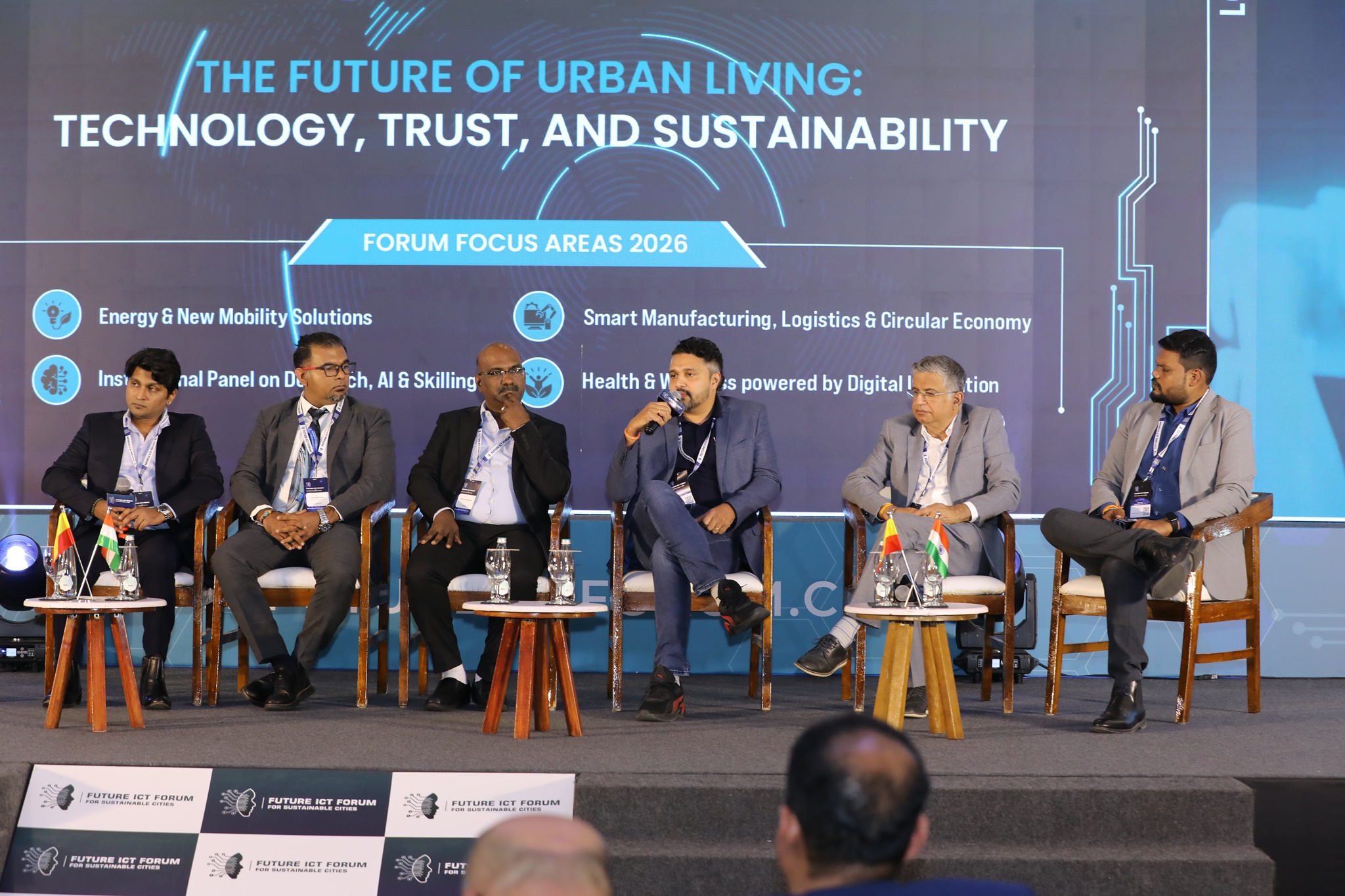
Forum Tracks
The world stands at a pivotal moment where the shift toward clean, digital, and connected mobility is
accelerating beyond expectations. Global clean energy investment surpassed $1.2 trillion in 2024, with
solar and wind accounting for over 80% of new generation capacity added worldwide. At the same time,
electric vehicle sales crossed 17 million units, representing nearly one-fifth of all new cars sold globally.
By 2030, more than 45% of urban trips in leading global cities are projected to be powered by electric or
shared mobility platforms. Battery storage capacity is growing at record pace, with global deployments
increasing by over 65% year-on-year, while green hydrogen pilots are scaling across major industrial
corridors.
The energy-mobility transition is no longer a single-sector effort. It requires integrated charging networks,
intelligent grid management, interoperable data systems, and workforce readiness at unprecedented
scale. With more than 30 million jobs expected to be created in clean energy and green mobility by 2030,
the opportunities are immense, but only if countries and industries collaborate with intent.
The clean mobility revolution is here. Now we must build the infrastructure and talent to make it universal.
DeepTech and AI have transitioned from niche research domains to core drivers of national progress. AI
alone is projected to contribute $15.7 trillion to the global economy by 2030, while demand for AI and
DeepTech talent is growing four times faster than supply across major markets. More than 80% of
organizations worldwide report an urgent need for advanced skills in AI, robotics, cybersecurity,
computational sciences, and machine intelligence.
Global R&D spending in DeepTech crossed $1.5 trillion in 2024, with institutions and governments setting
up national AI missions, frontier research labs, public compute platforms, and responsible innovation
frameworks. As nations accelerate investments in drones, space technologies, advanced materials,
quantum computing and autonomous systems, the talent pipeline becomes the most critical determinant
of leadership.
The skilling challenge is immense: an estimated 100 million workers globally will require retraining or
upskilling in DeepTech-related fields by 2030. This panel brings together leaders shaping the next wave of
academic transformation, workforce development, compute access policies, and ethical AI governance.
The DeepTech era demands not just innovation, but a skilled, future-ready, globally competitive workforce.
Industry is evolving at a pace unseen since the first industrial revolution. Global investment in industrial
automation is expected to surpass $230 billion in 2025, with more than 50% of new factory upgrades
integrating robotics, advanced sensors, or AI-enabled operations. Predictive maintenance alone is
reducing unplanned downtime by 20-40% across digitally mature factories, while digital twins are
improving production efficiency by up to 30%.
Logistics systems are transforming in parallel. Real-time supply-chain platforms are forecasted to reduce
delivery times by 30% and increase fleet utilization by up to 25%. As global disruptions become more
frequent, resilient and intelligent logistics networks are emerging as a competitive advantage.
At the same time, circular economy transitions are gaining urgency. The circular economy could unlock
$4.5 trillion in economic value by 2030, with sectors like electronics, manufacturing, packaging, and
mobility leading the shift. Material recovery, product life-cycle tracking, and waste-to-value innovations
are becoming central to sustainable industrial ecosystems.
Smart industries and circular systems are no longer optional, they are the blueprint for future-ready,
sustainable growth.
Healthcare is being reinvented through digital transformation. The global digital health market reached
nearly $420 billion in 2025, growing at double-digit pace as countries accelerate investments in telehealth,
AI diagnostics, and connected care. More than 1 billion people now access digital health services annually,
marking a historic shift in health delivery models.
AI-enabled diagnostics are improving accuracy rates by 15-25% across imaging, cardiology, and oncology,
while remote monitoring solutions have reduced hospital readmissions in chronic disease management
by up to 30%. Wearables and biosensors are expected to exceed 1.2 billion active users by 2030, making
continuous health monitoring a part of daily life.
Global wellness, including nutrition, fitness, and mental health, is now a $5.8 trillion industry, with digital
wellness platforms accounting for the fastest-growing segment. Personalized nutrition, workplace
wellbeing programs, and preventive health ecosystems are shaping a world where wellbeing becomes as
important as treatment.
The challenge ahead lies in responsible data use, interoperability, equity, and ensuring that digital health
innovations reach every community.
With AI, data, and human-centric design, we can build a world where wellbeing is accessible, personalized,
and proactive for all.
-
-
30+
Speakers -
650+
Participants -
15+
Countries
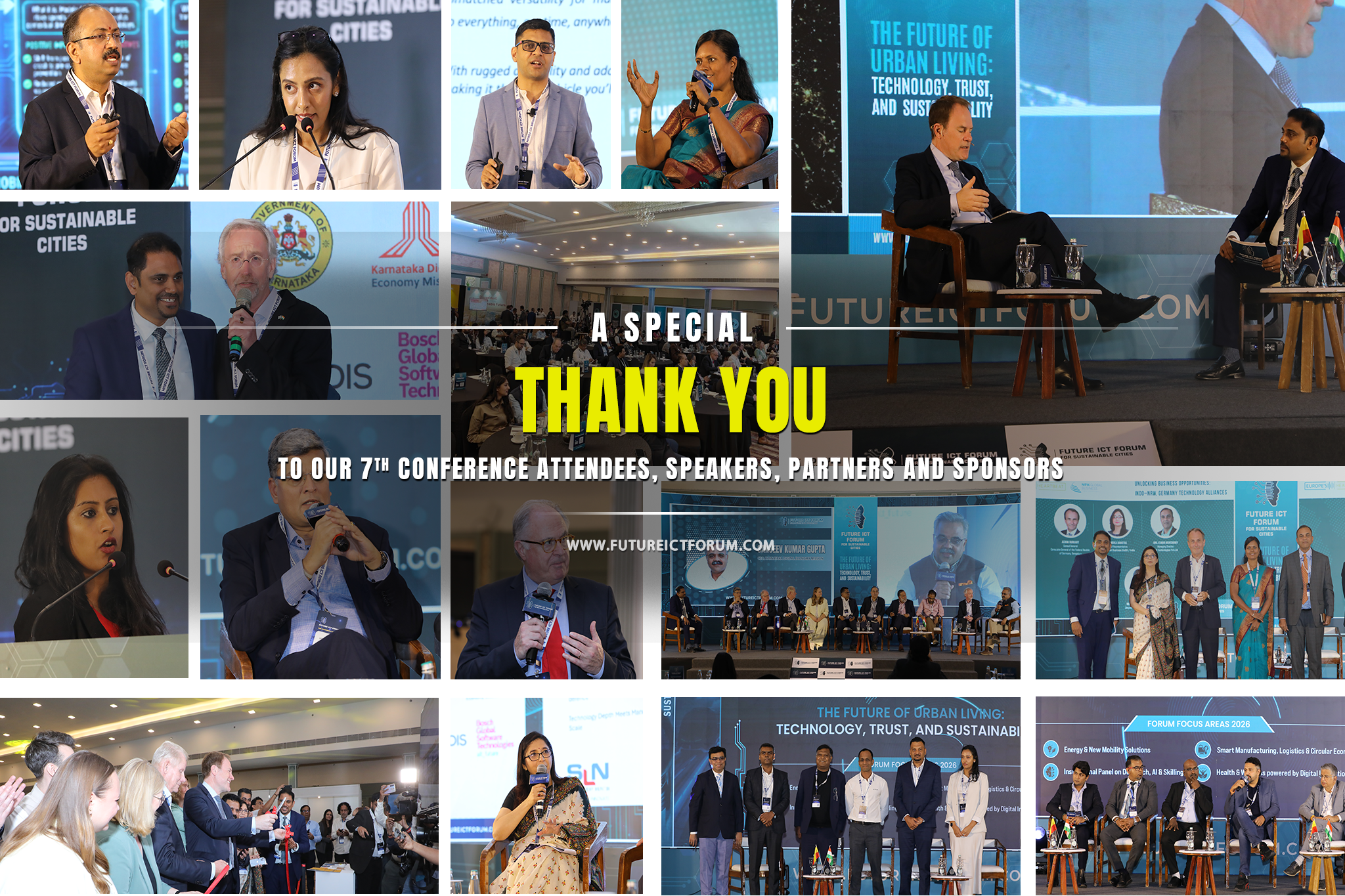
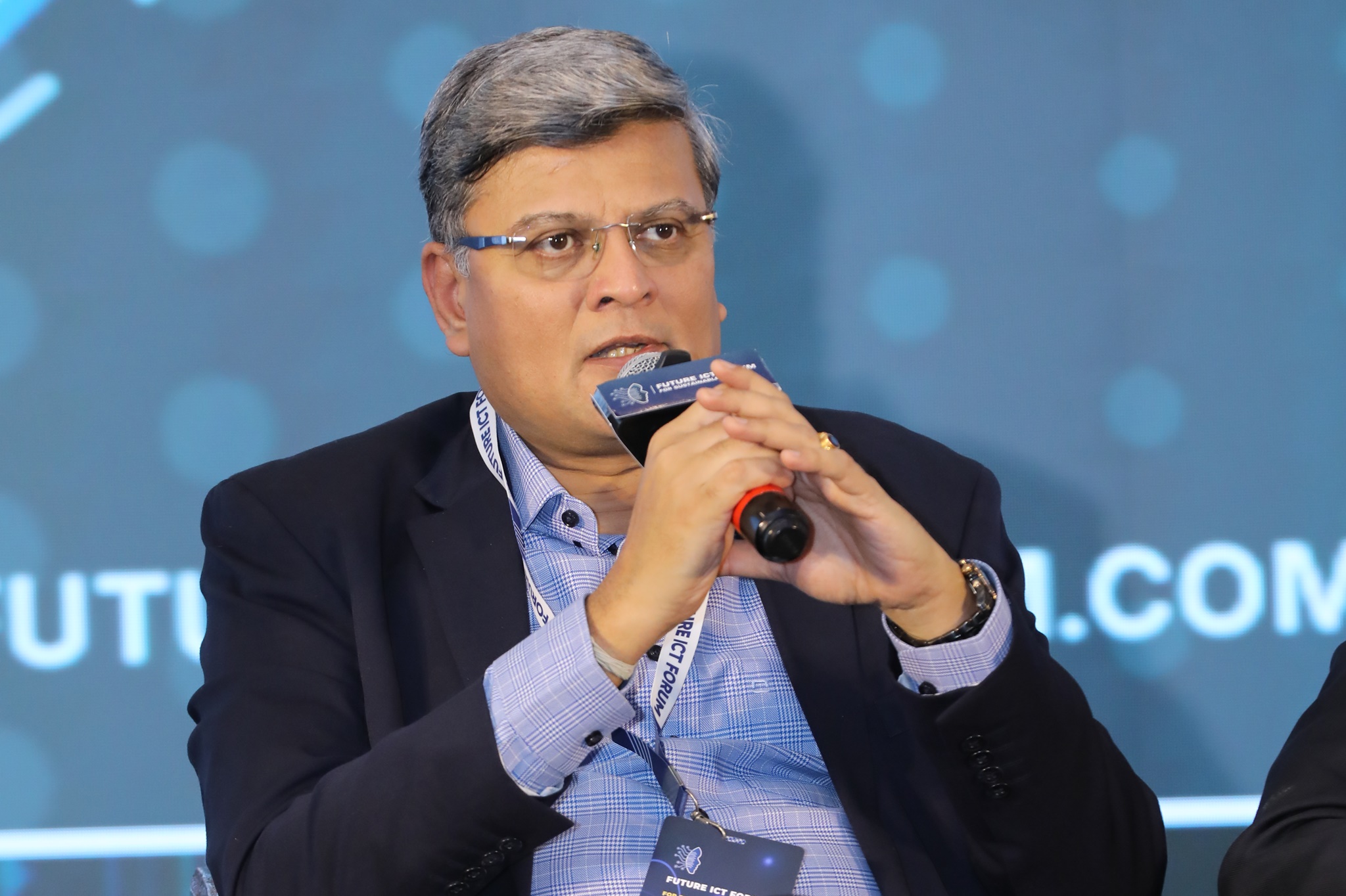
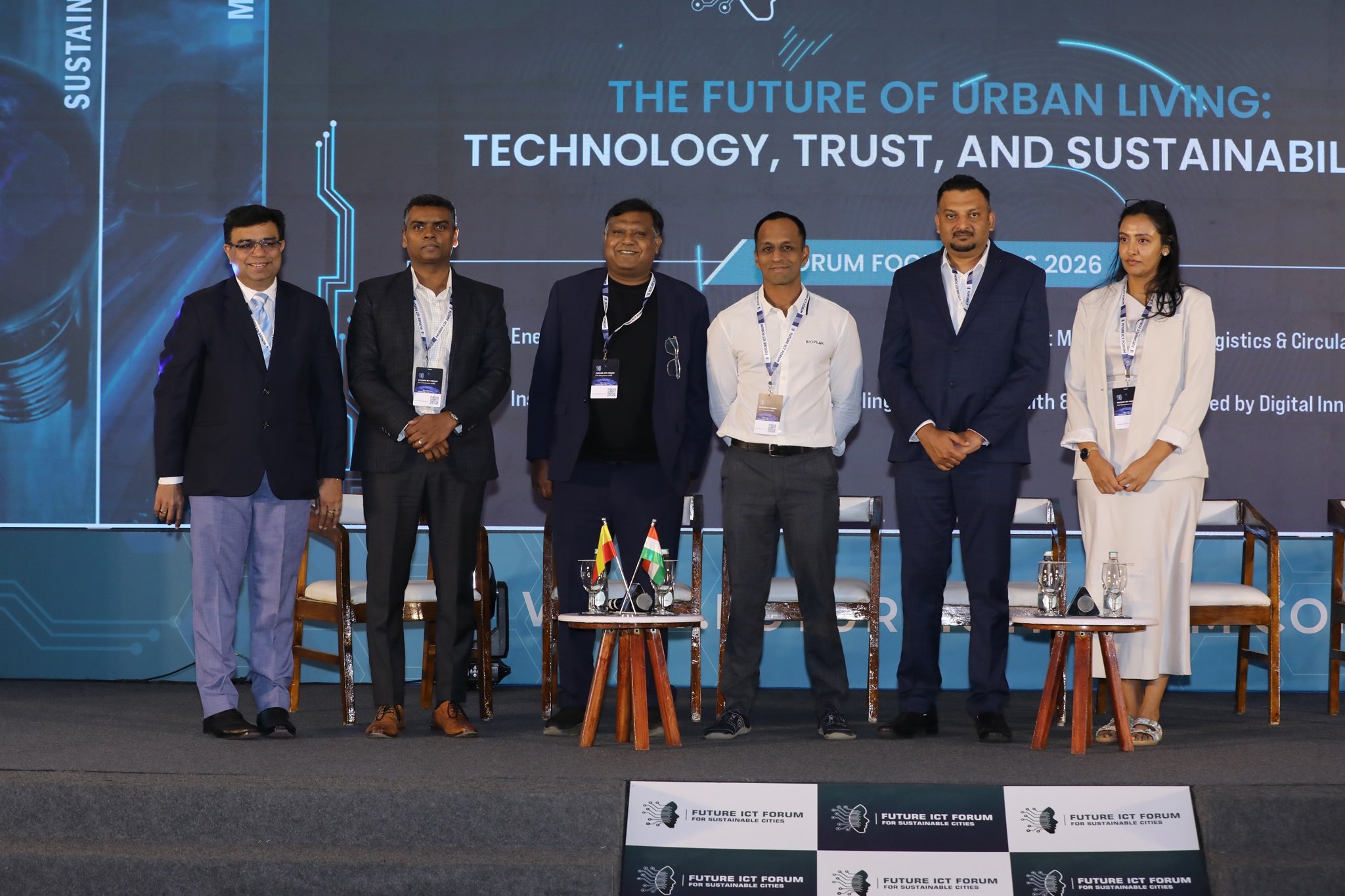
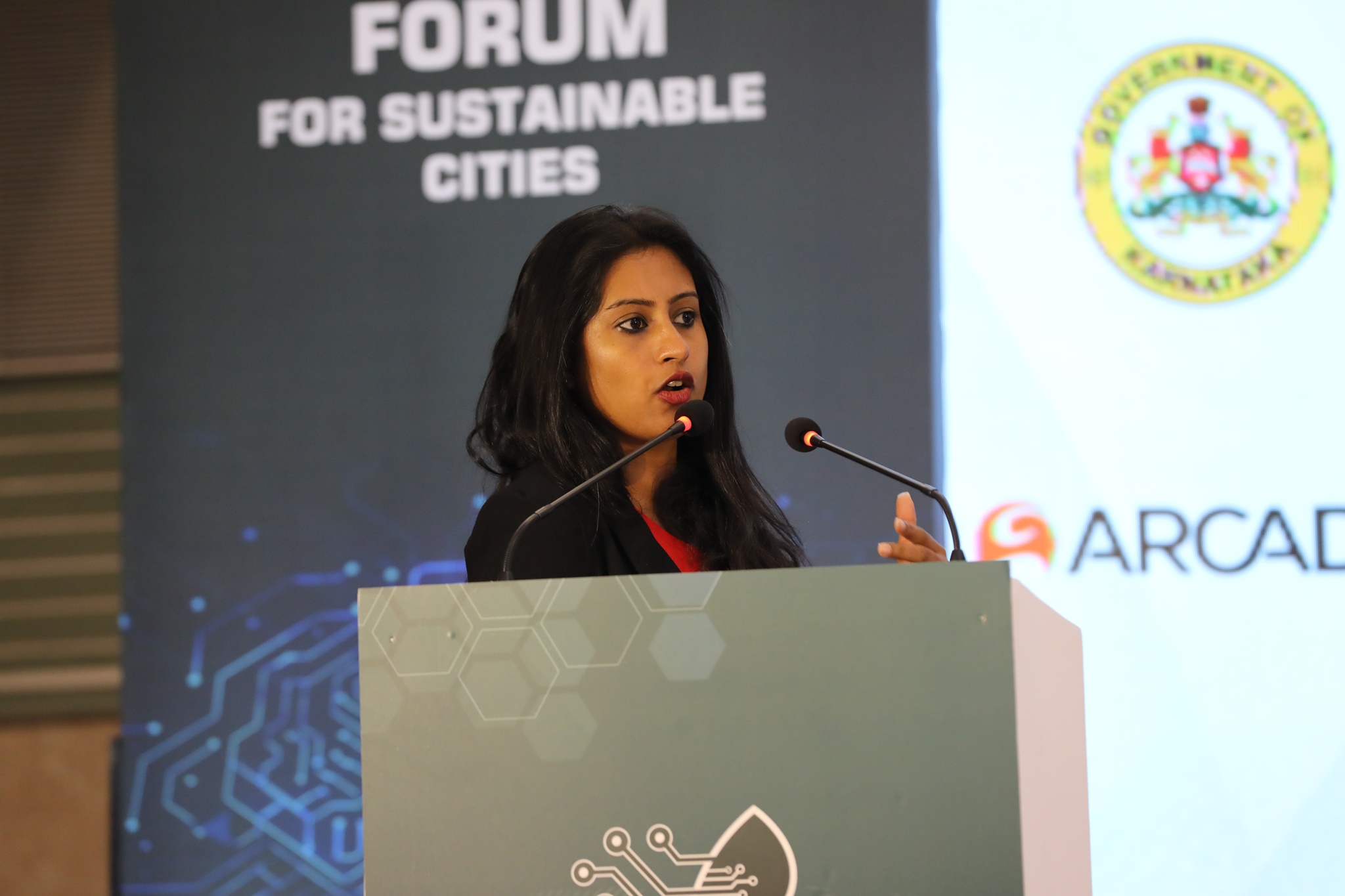
Forum Speakers 2026
Keynote Speaker

Dr. Stephan Keller
Honourable Mayor
City of Düsseldorf, Germany

Andreas Schmitz
President of the Düsseldorf Chamber of Industry & Commerce

Achim Burkart
Consul General
Consulate General of the Federal Reublic of Germany, Bengaluru

Dattatri Salagame
CEO, Bosch Global Software Technologies
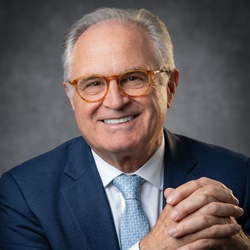
Luis Neves
CEO, Global Enabling Sustainability Initiative

Venkata Subbarao Chunduru
Director, Arcadis IBI Group

Ambika Banotra
Chief Representative NRW.Global Business GmBH / India

Jan Kuenne
CEO, Grundig Akademie Group

Sanjeev Kumar Gupta
CEO, Karnataka Digital Economy Mission

Marco Scherer
SVP Sales & Trading IT, Uniper

Lisa Brauer
Managing Director, digihub Düsseldorf

Andrea Hendrickx
Country Head, Infosys Germany

Sudhir Rao
Senior Partner, Celesta Capital

Gerald Manoharan
Partner, JSA, Advocates and Solicitors | Chairman, Indo American Chamber of Commerce, Karnataka
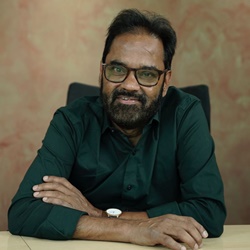
Venk Krishnan
President - TiE Bangalore

Rajalakshmi Srinivasan
Director, Zoho Corporation
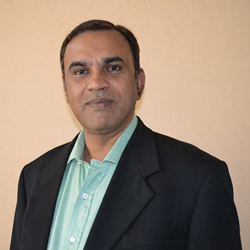
Anil Kumar Muniswamy
MD, SLN Technologies Pvt. Ltd.

Payal Satish
Chief Commercial Officer, Sarla Aviation

Rakesh Kumar Murugan
Global Head & Senior Director – Digital Transformation & Sustainability – Bosch SDS

Mohan B V,
Vice President, Technology, Bosch Global Software Technologies [BGSW]
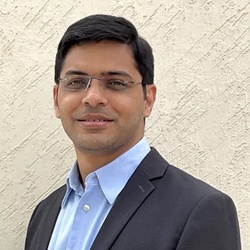
Martin David
Head of Business, Micelio Mobility

Nikitha Rayappa
Founder, Build Holistik

Shiva Subramanian,
Founder & CTO, Biopeak Wellness Pvt. Ltd.

Stephen Mathias
Senior Resident Partner & Co-Chair, Technology Law Practice at Kochhar & Co

Alok Sharma
Founder & CEO - Livprotec

Genesia Rodrigues
Senior Manager – Public Policy, Kazam EV Tech Private Limited

Avnish Sabharwal
Ex-Head, Accenture Ventures,
India DeepTech Investor

Prayukth K V
Director EU, Shieldworkz

Ranjith Kumar DSM
Founder BEVYWISE
.jpg)
Ashutosh Singh
Country Manager, Vishuddh Recycle Private Ltd.

Irfan Malik
CEO, INQ Innovation Global

Dr Adarsh M Patil
Founder & Surgeon, Oui Medical

Ritu Sharma
Executive Director - TiE Bangalore

Sandeep Nair,
Co-Founder & CEO,VENTTUP

Solomon Devaraj,
Founder & CEO,TRIAS HealthTech

Rahul D
COO, Co-Founder, Towner Solutions Pvt Ltd
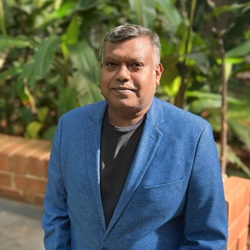
Alex D Paul,
CEO, Azooka Labs
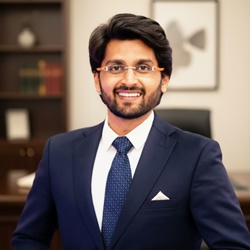
Vijay Yashwanth
CEO & Co-Founder
Novacret

Jose Jacob K
Director & Curator,
TIA Summit & Future ICT FORUM
Strategic Partners
Joining Forces Together to Create a Sustainable Future










Upcoming Events
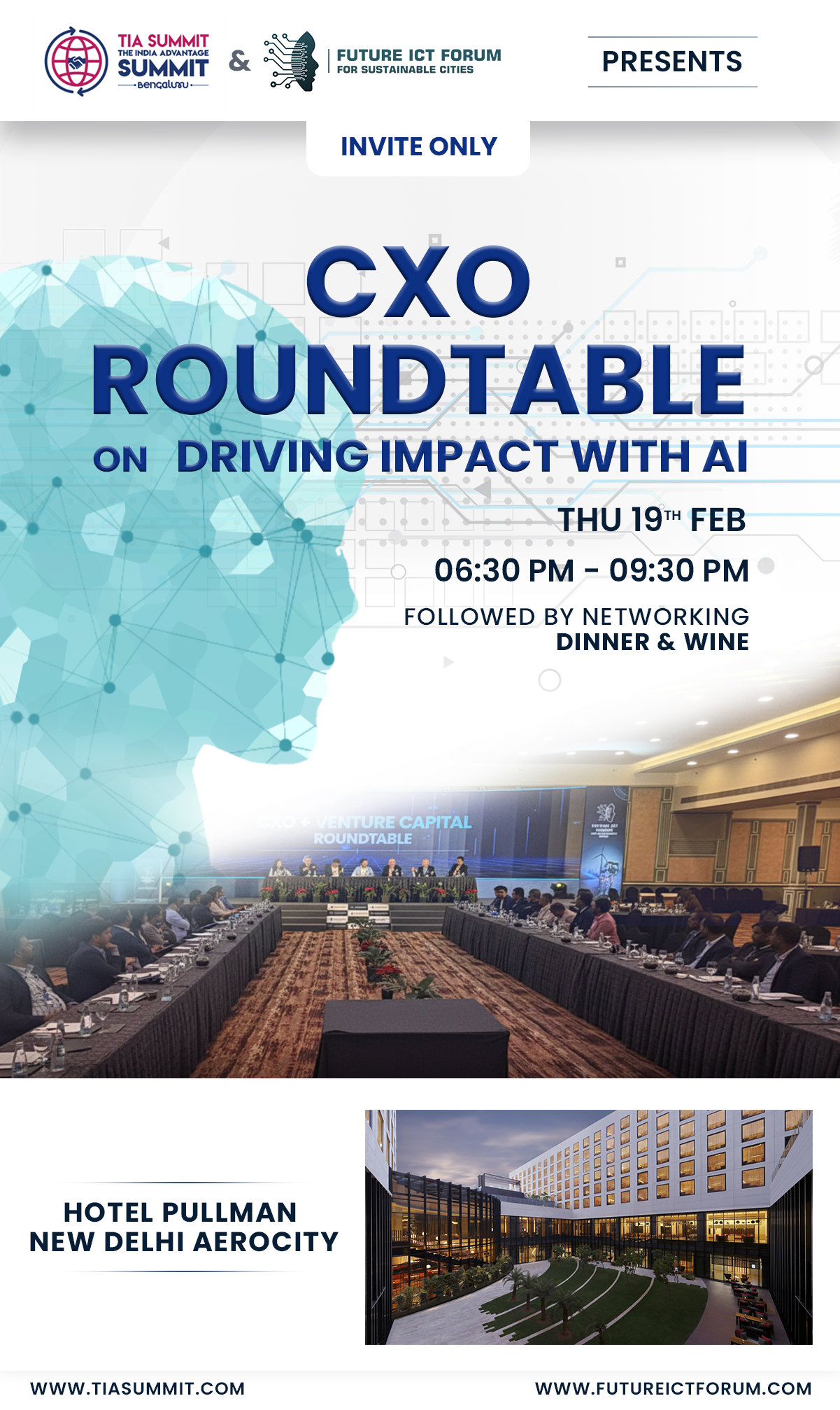
Leadership Roundtables

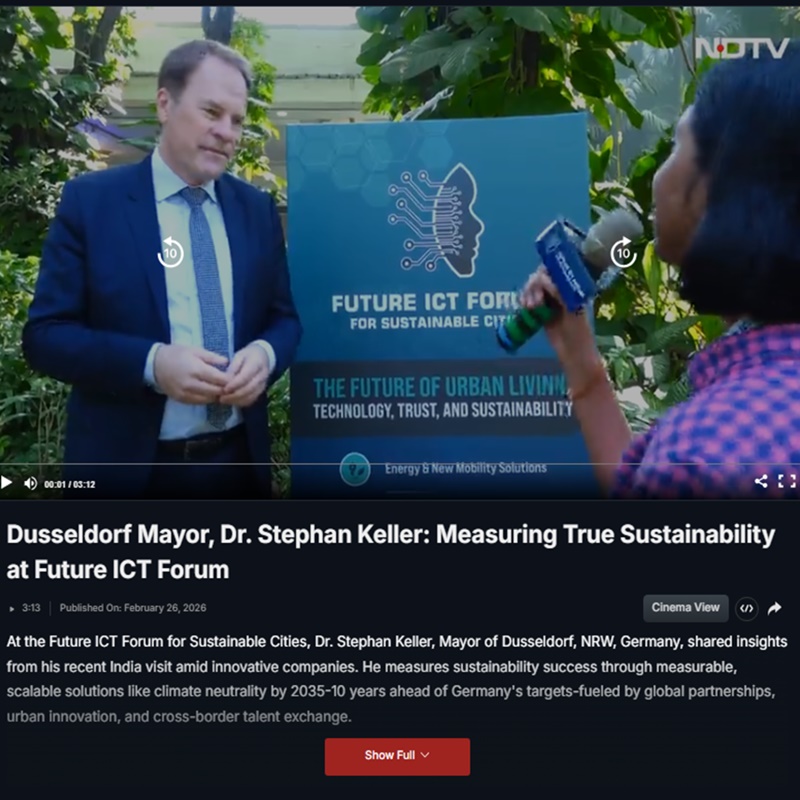
Press Coverage
2026
View All

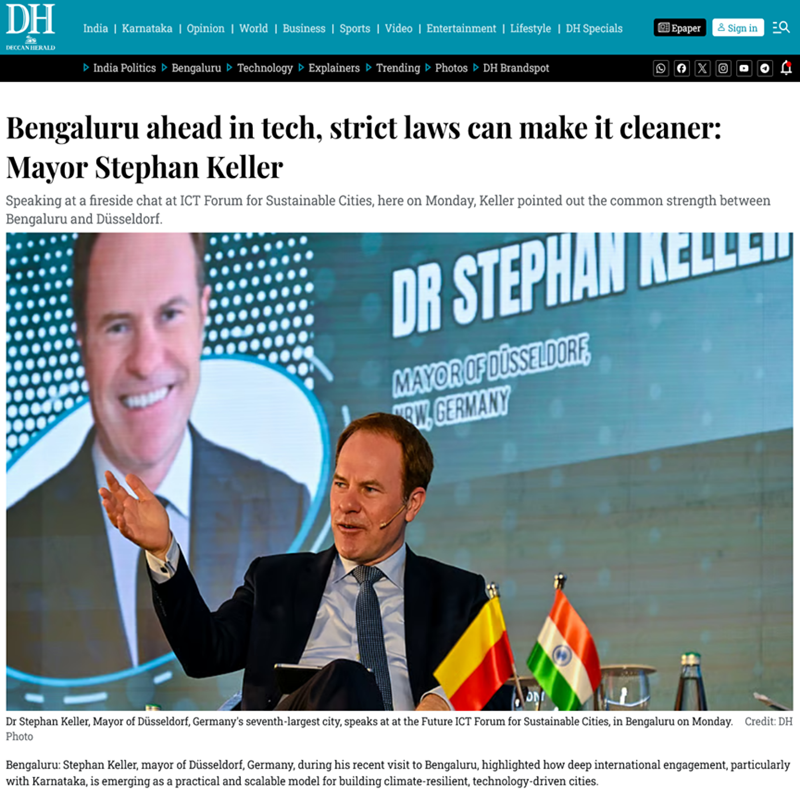
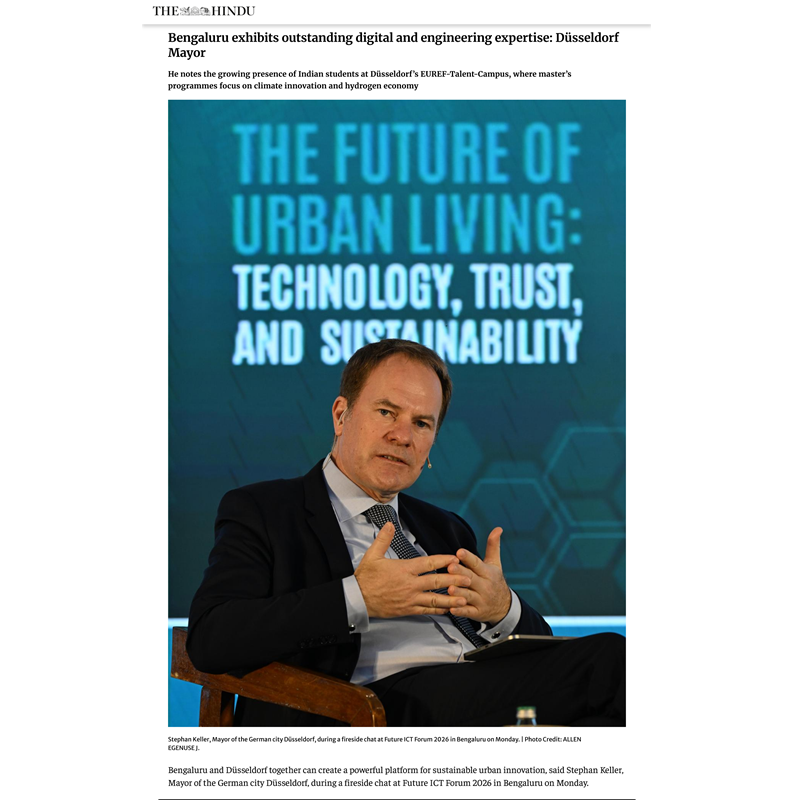
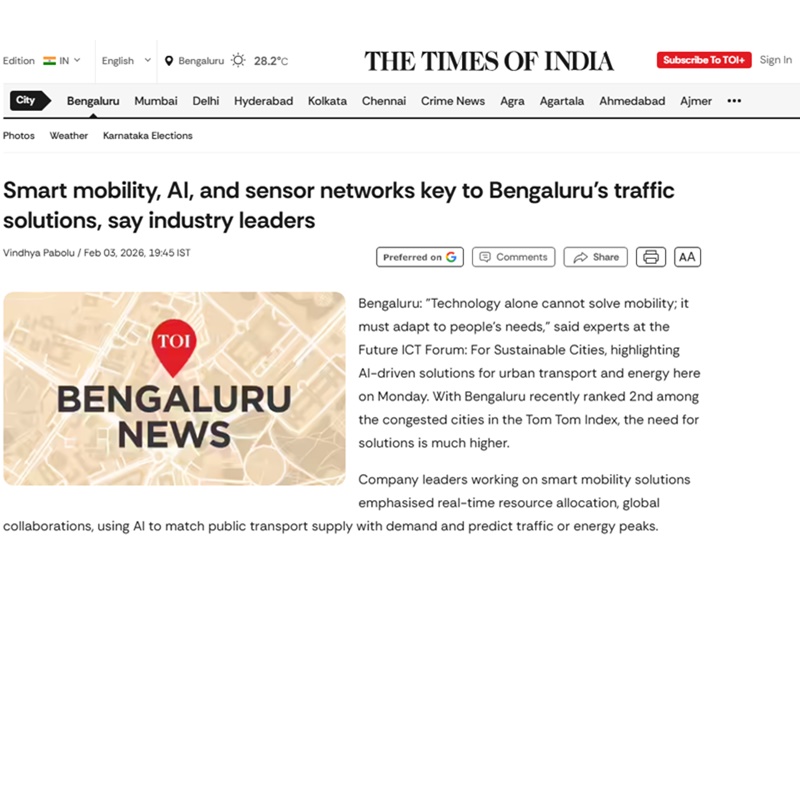

Connect With Us
Future ICT Forum For Sustanainable Cities
C/ o Integro Infotech & Consulting
CRE, 1st floor, Rockline Centre,
Mahatma Gandhi Rd, Craig Park Layout,
Ashok Nagar, Bengaluru,
Karnataka 560025

Please fill in your details and we will get back to you
Taj West End, Bengaluru

